
Winter plant care.
Winter is a challenge for indoor plant enthusiasts. Short days, low humidity, and heated rooms require special attention. Here's a comprehensive guide on how to provide your plants with the best care during the colder months.
1. Light and Location:
Indoor plants suffer from a lack of natural light in winter. Therefore, it's crucial to provide them with adequate exposure:
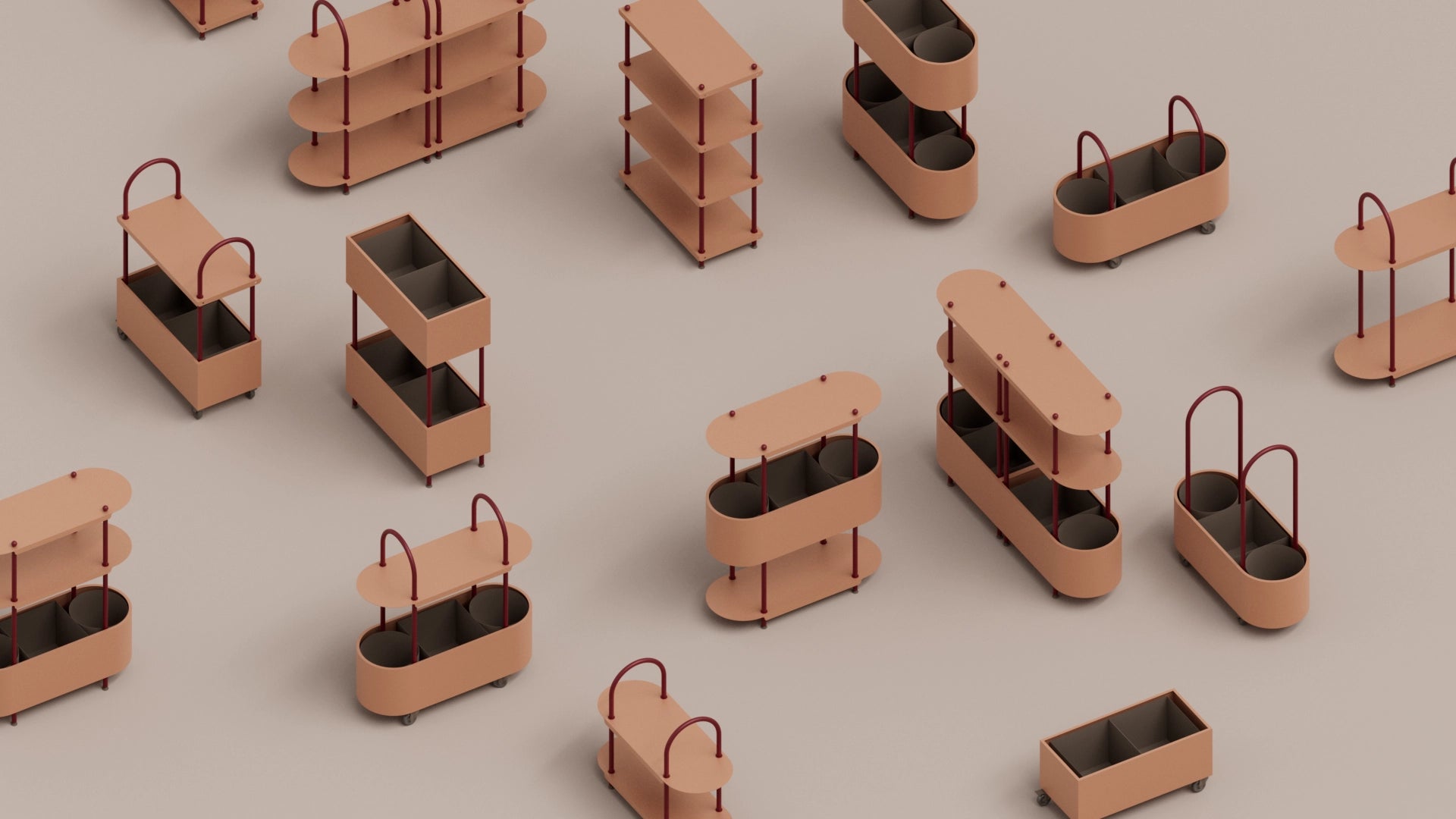
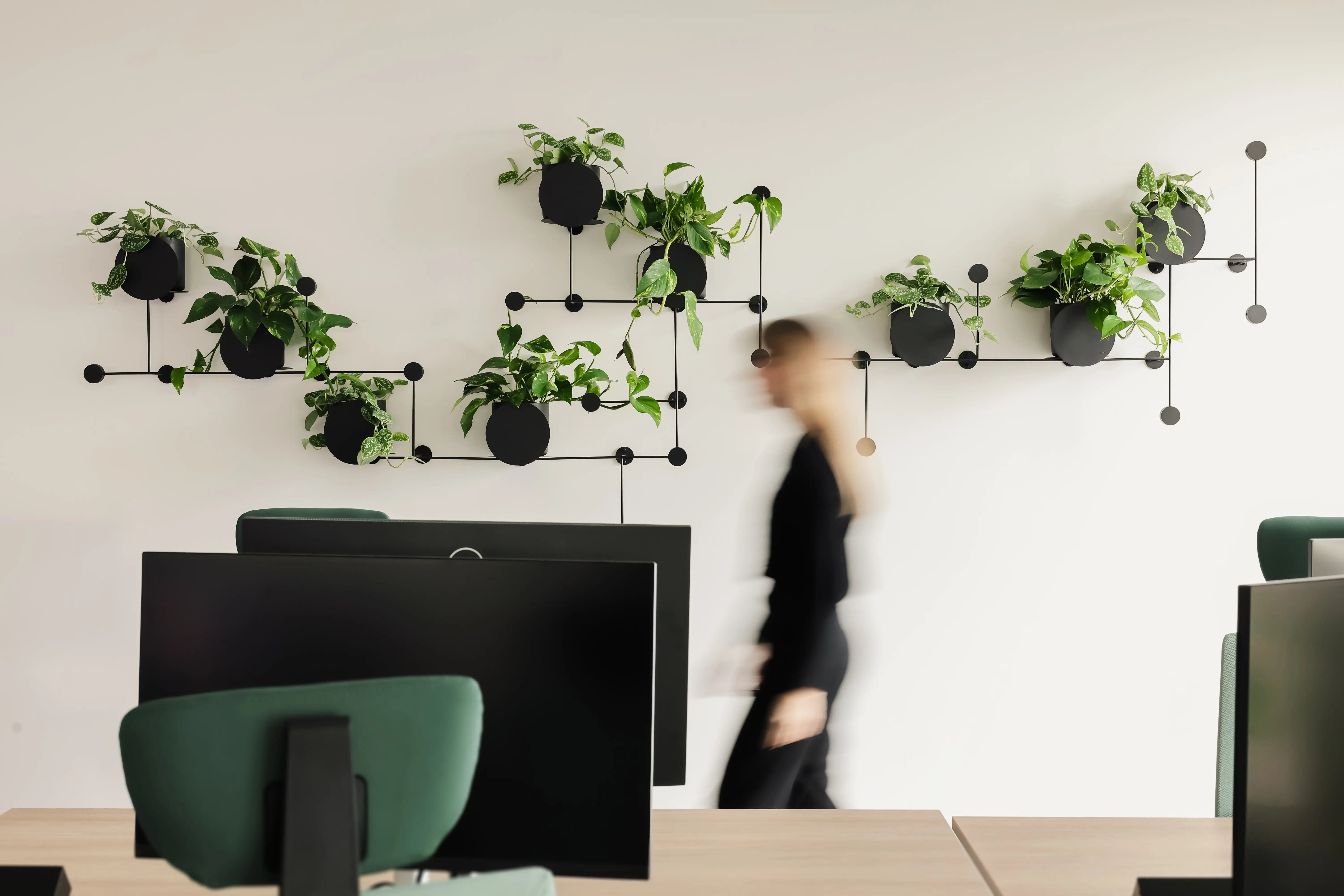
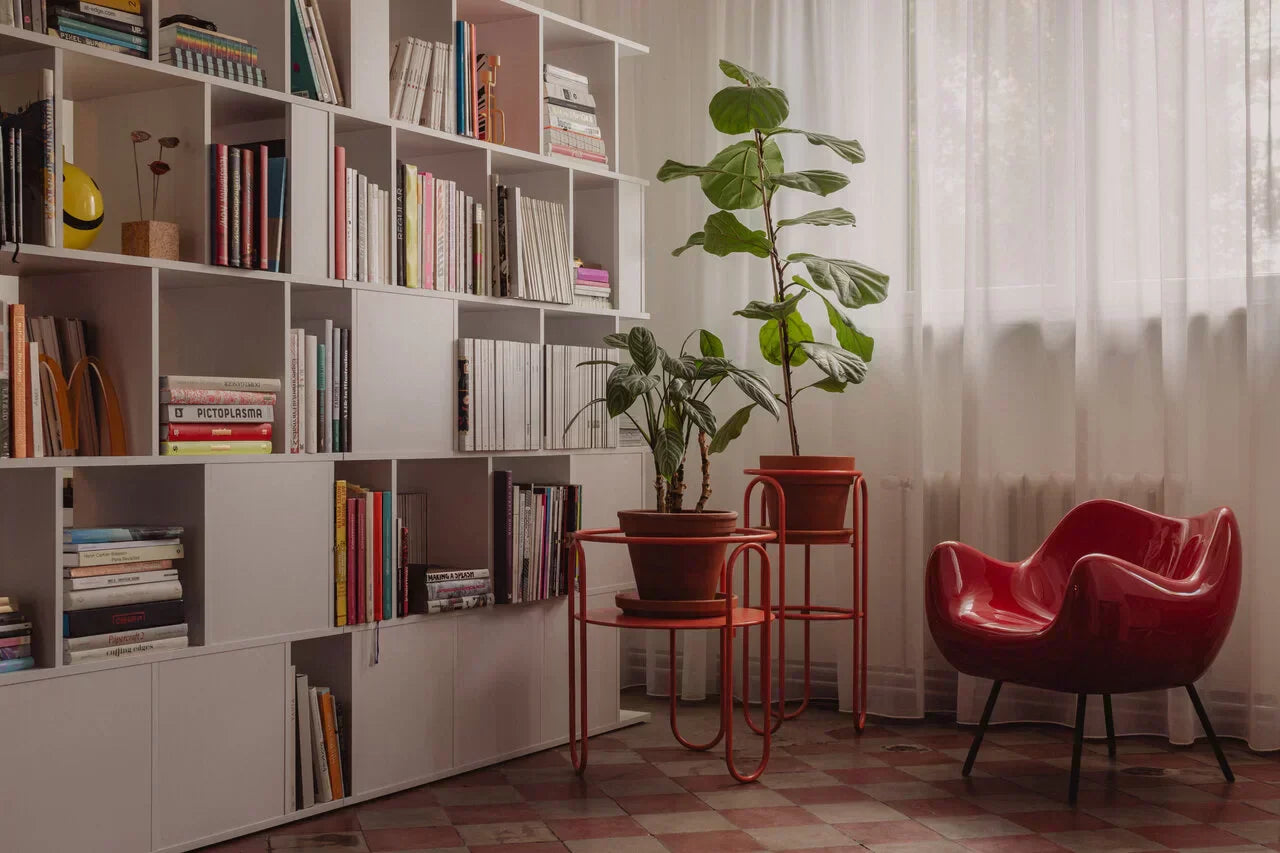
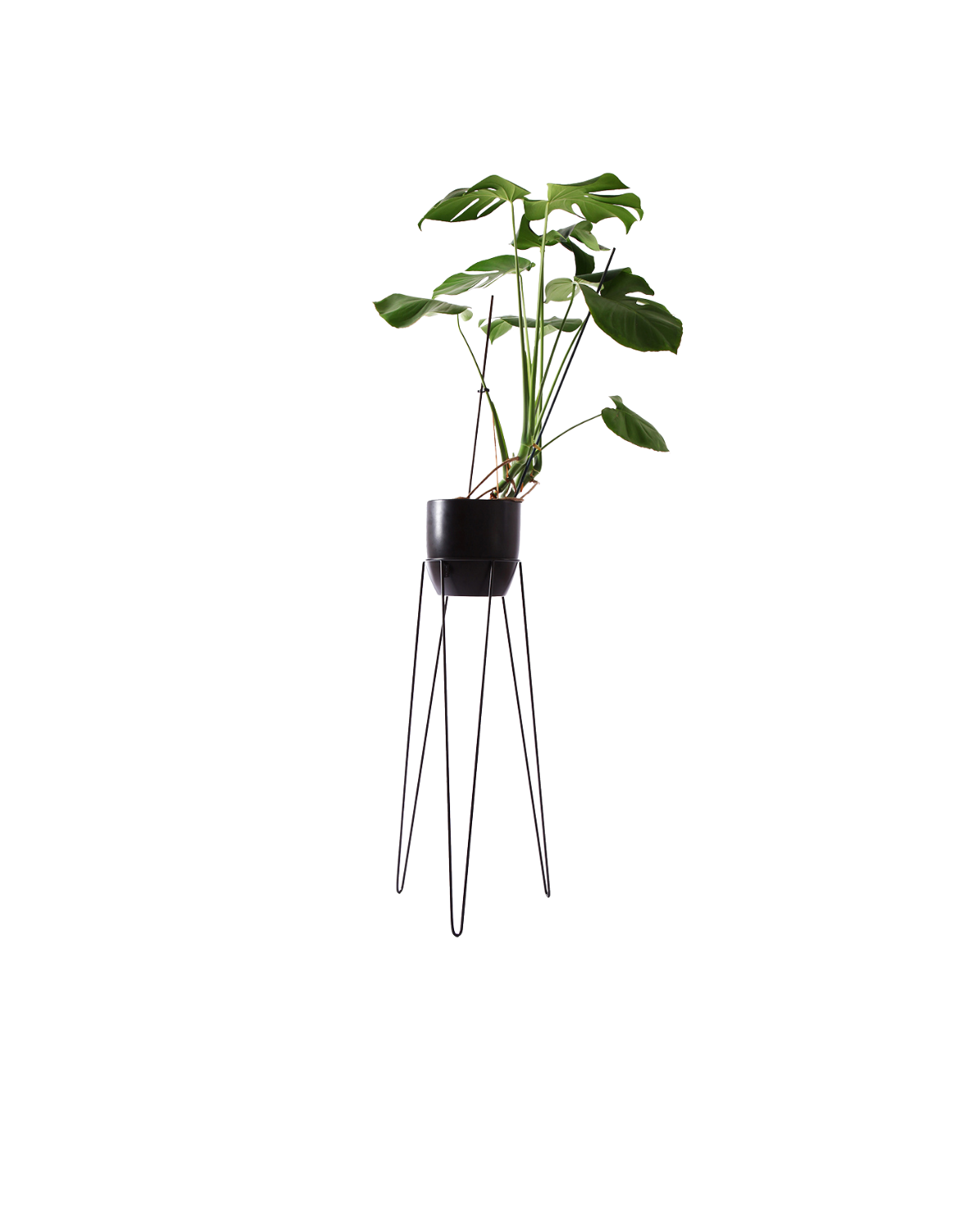
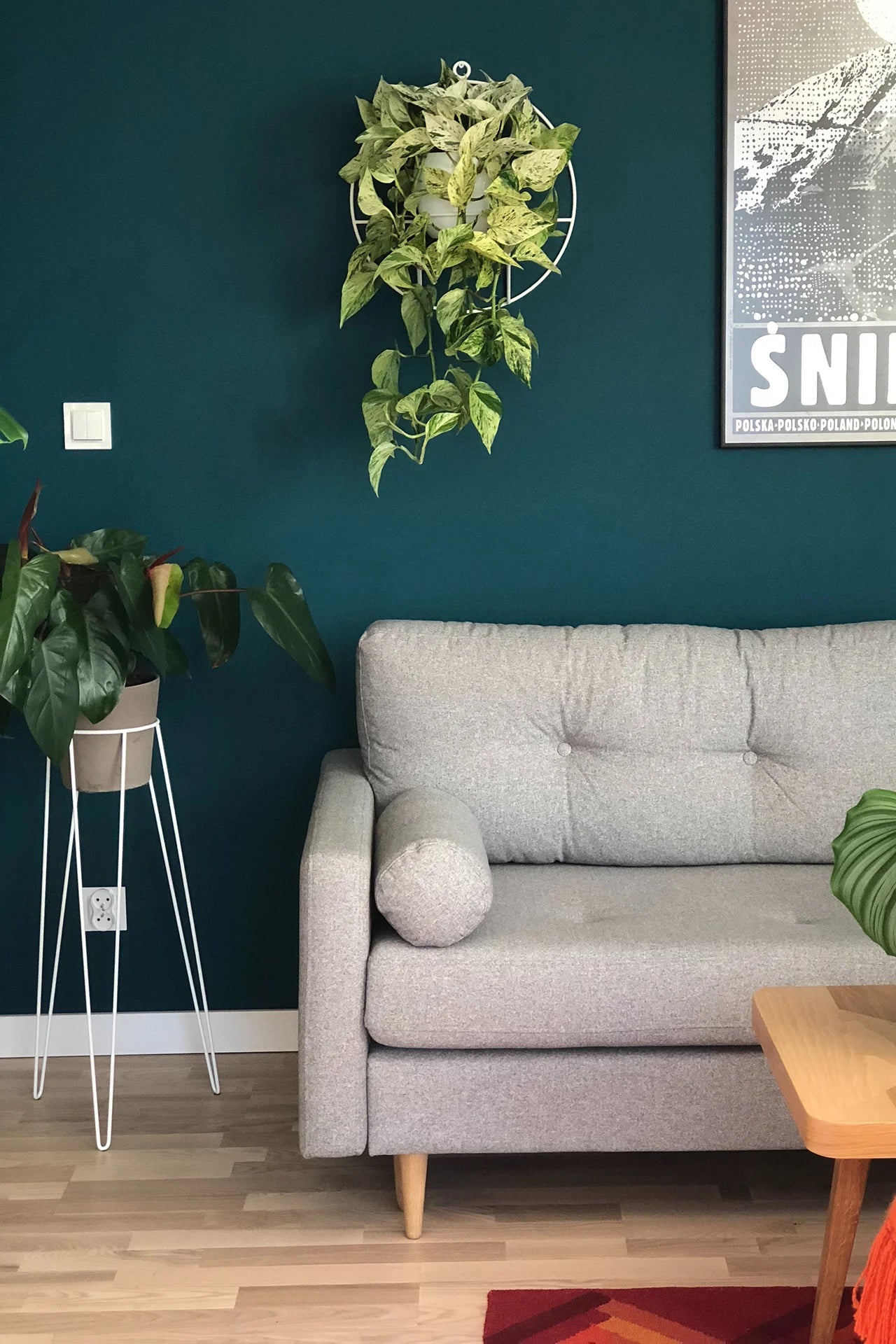
- Maximize light accessPlace plants where they can receive as much daylight as possible. South-facing windows are most desirable. Standing plant stands, such as Bona, Neo, Milo, Tondo, are useful in this case, allowing plants to be freely moved around the interior.
- Avoid Cold from Windows: Although proximity to a window provides more light, it can also be colder there. Move plants away from the window at night or on cold days.
- Clean Leaves: Regularly wiping dust off leaves increases their ability to absorb light.
- Artificial Lighting: Grow lights are a great option for plants that require more light.
![[Opis zdjęcia]](https://cdn.shopify.com/s/files/1/0981/8036/6680/files/Bujnie-kwietnik-stojacy-Neo-czarny_1.webp?v=1779089447)
2. Temperature and Heating
Winter indoor temperatures can be difficult for plants to balance:
- Avoid sudden changes: Abrupt temperature changes, which can occur near heaters, can harm plants.
- Stable temperature: The ideal temperature for most indoor plants is around 18-24°C during the day and slightly cooler at night.
![[Opis zdjęcia]](https://cdn.shopify.com/s/files/1/0981/8036/6680/files/Bujnie-kwietniki-Nabu-proj.-Na-Antresoli.webp?v=1779090121)
3. Watering indoor plants in winter.
- Less water: Plants need less water as their growth slows down.
- Soil moisture control: Before watering, check the soil moisture. Avoid overwatering plants.
- Properly prepared pots: Pots with drainage holes are crucial to prevent water stagnation. When using ceramic covers, spread expanded clay pellets at the bottom and then place the plant in the cover. This will protect the roots from standing water and rotting in case of overwatering.
![[Opis lewego zdjęcia]](https://cdn.shopify.com/s/files/1/0981/8036/6680/files/Bujnie-kwietnik-Flo-bialy-i-grudnik.webp?v=1779090683)
![[Opis prawego zdjęcia]](https://cdn.shopify.com/s/files/1/0981/8036/6680/files/Bujnie-kwietnik-stojacy-Milo-burgundowy.webp?v=1778849862)
4. Humidity
Central heating significantly reduces air humidity, which can harm plants:
- Humidifiers: Maintain appropriate humidity levels.
- Wet gravel: Trays with wet gravel help maintain humidity around plants.
- Misting: Regular misting of leaves helps some plants maintain proper humidity.
![[Opis zdjęcia]](https://cdn.shopify.com/s/files/1/0981/8036/6680/files/Bujnie-kwietnik-Orio-czarny-salon.webp?v=1779091000)
5. Fertilization and pruning
Both fertilization and pruning should be limited in winter:
- Limit fertilization: Most plants enter a dormant period, so they don't need additional nutrients.
- Careful pruning: Only remove withered and diseased parts of the plants.
![[Opis lewego zdjęcia]](https://cdn.shopify.com/s/files/1/0981/8036/6680/files/10Bujnie-kwietnik-Luno-bialy-fot.-Marek-Swoboda.webp?v=1778837926)
![[Opis prawego zdjęcia]](https://cdn.shopify.com/s/files/1/0981/8036/6680/files/bujnie-kwietnik-wiszacy-luno-bialy-04.webp?v=1777551761)
6. Additional tips
- Rotate plantsRegularly rotating plants towards the light will help them grow evenly.
- Monitor plant conditionRegularly checking the condition of plants will allow for a quick response to any problems.
- Individual needsEvery plant has different requirements, so always adapt care to the specific species.
![[Opis zdjęcia]](https://cdn.shopify.com/s/files/1/0981/8036/6680/files/Bujnie-kwietnik-Floos-kobalotwy_1-edited.webp?v=1778836782)
Winter doesn't have to be a difficult time for your houseplants. Proper care, adapted to changing conditions, will ensure their health and beautiful appearance. Regular observations, proper watering, appropriate temperature, and humidity are key elements that will help your plants survive the winter. Remember that every plant is different and requires an individual approach. Winter plant care is also a great opportunity to spend time in close contact with nature, which can be particularly valuable on cold, winter days. Enjoy the beauty of your plants and watch them add life and color to your home.
Polecane produkty
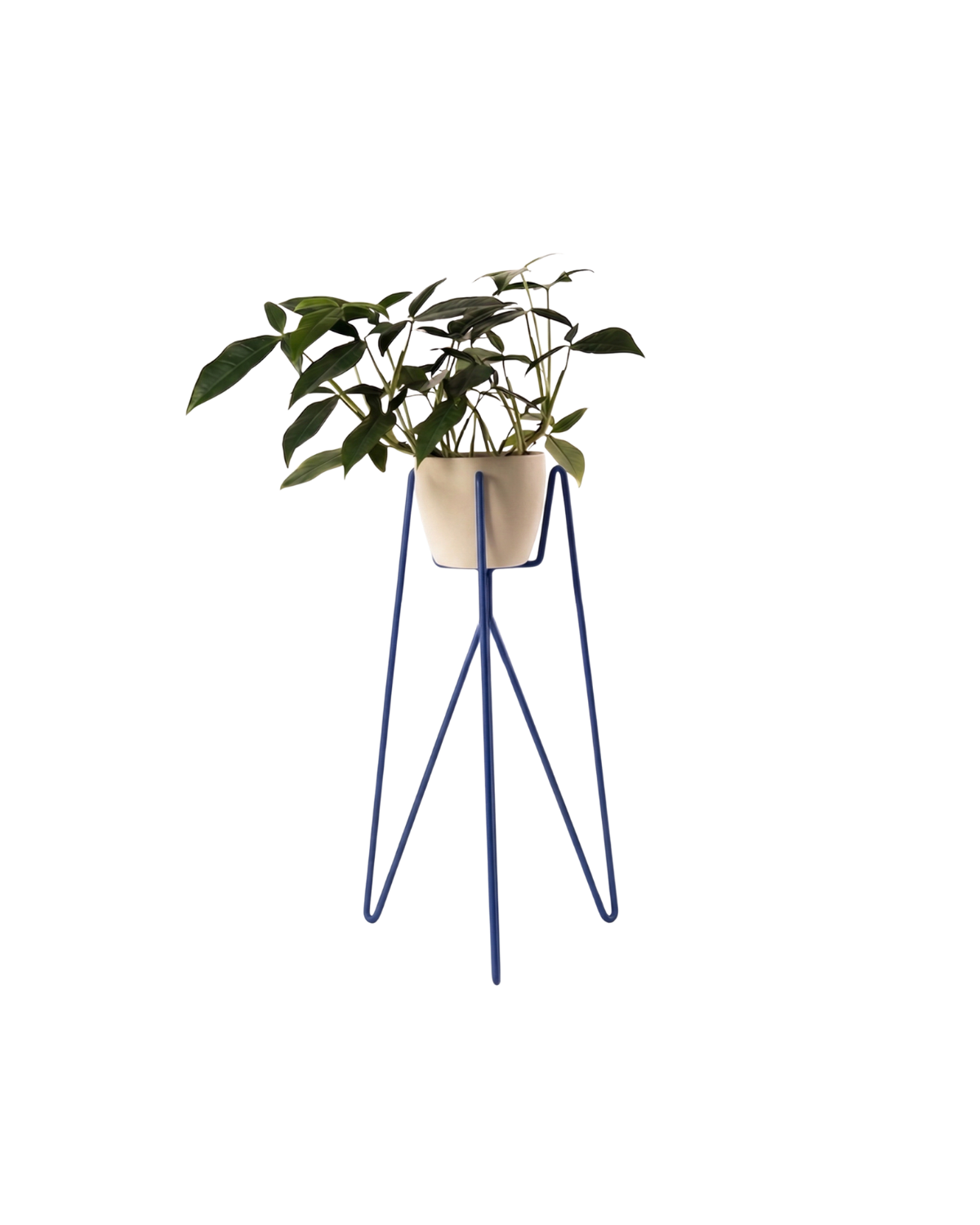
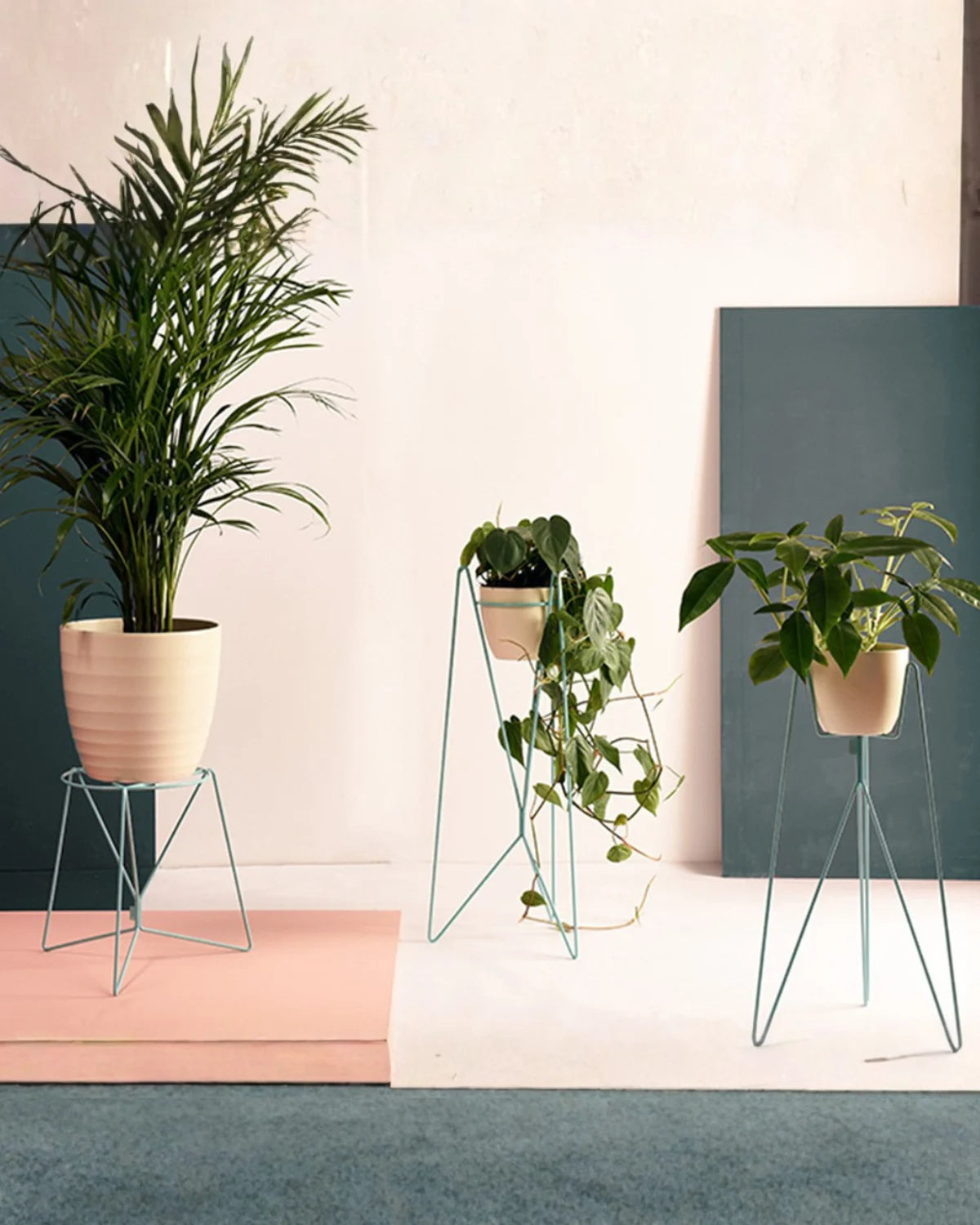
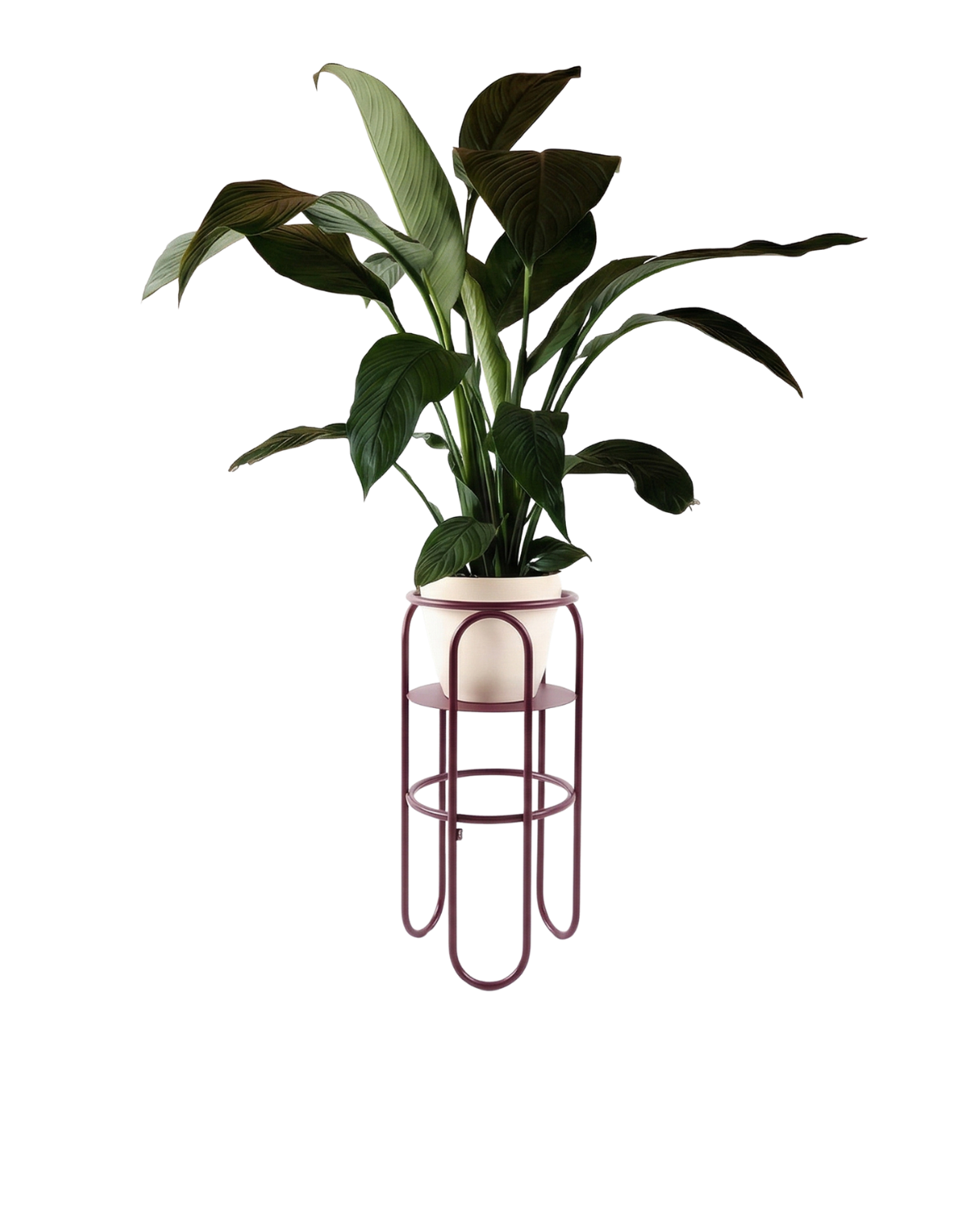
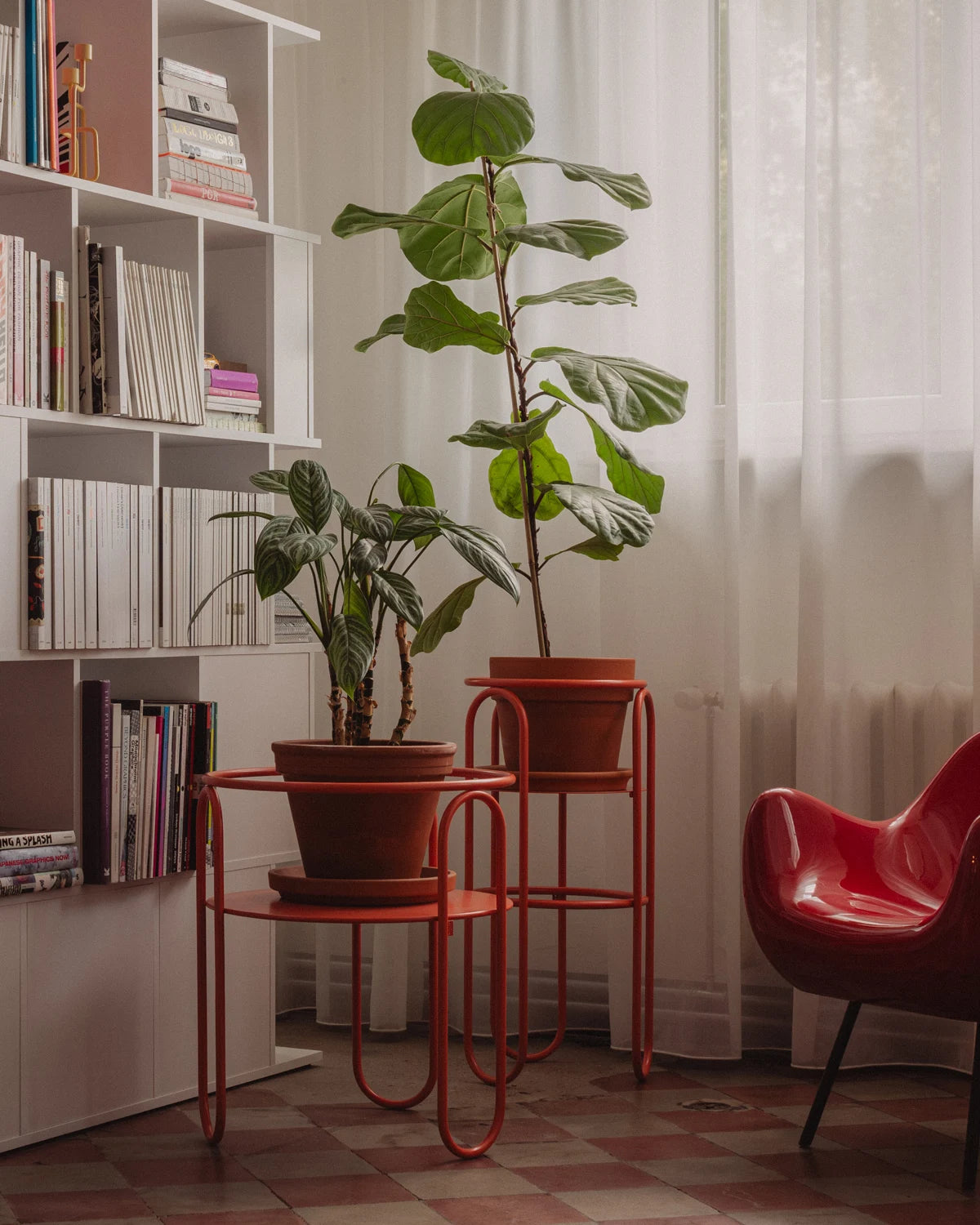


Leave a comment
This site is protected by hCaptcha and the hCaptcha Privacy Policy and Terms of Service apply.