

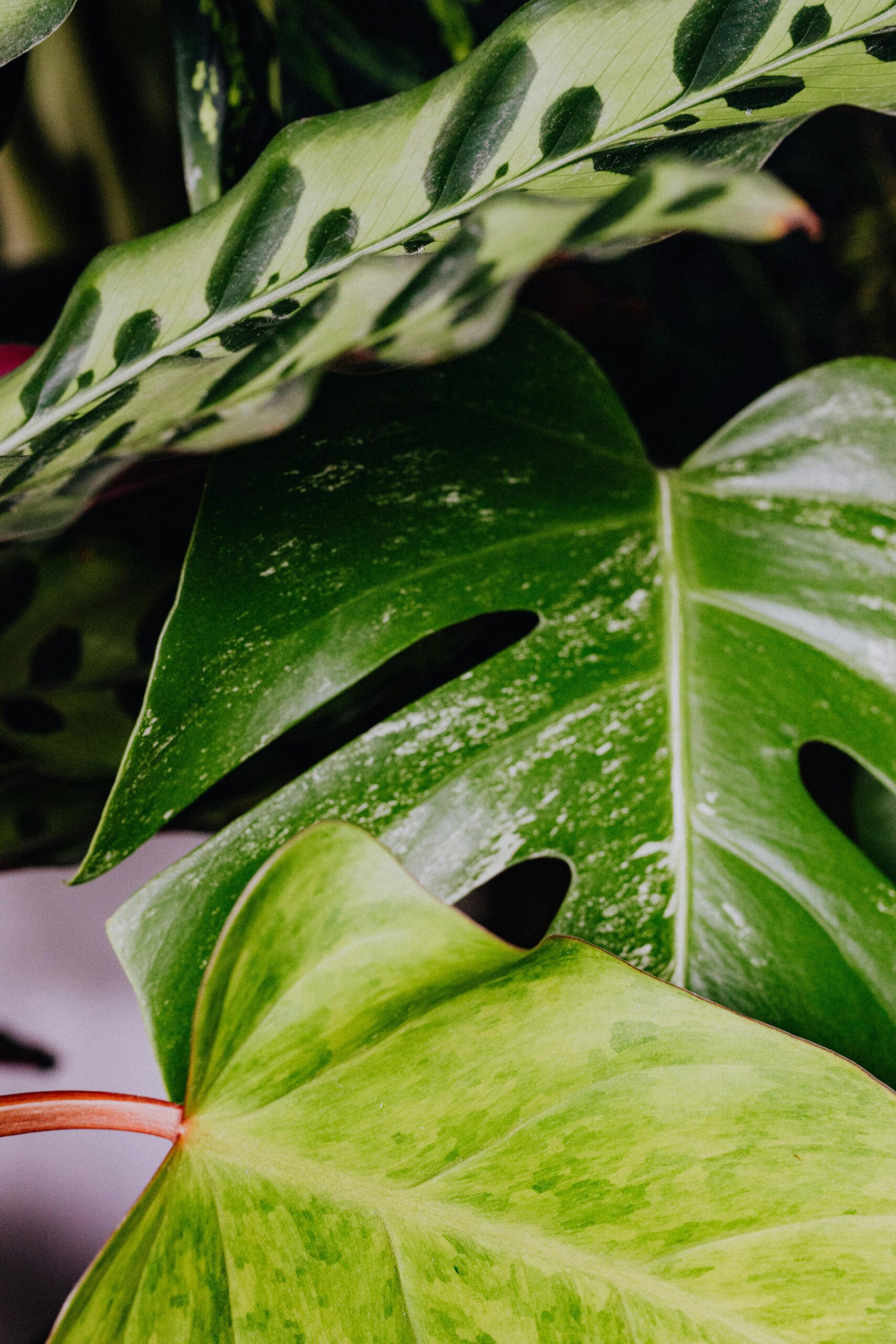

Leaf shapes as a result of evolution – when nature designs better than we do
Leaves : Masterpieces of evolutionary adaptation
“Nature is the greatest designer. It never wastes energy on redundant forms.” – Ernst Haeckel
Greenery as sculpture is a concept that makes us wonder why nature designs better than any architect
Leaves are more than just decoration—they are precision-engineered tools for survival. Their form follows function. It stems from nature and the need to adapt to vastly different environments.
Masterpieces of Adaptation: From Tropics, Deserts, and Coastlines
In the tropical undergrowth, where light pierces through dense canopies, philodendrons have developed their own survival strategy. Philodendron bipinnatifidum grows sprawling, deeply lobed leaves—their “ruffled” form improves ventilation, maximizes photosynthetic surface area, and efficiently channels rainwater away.
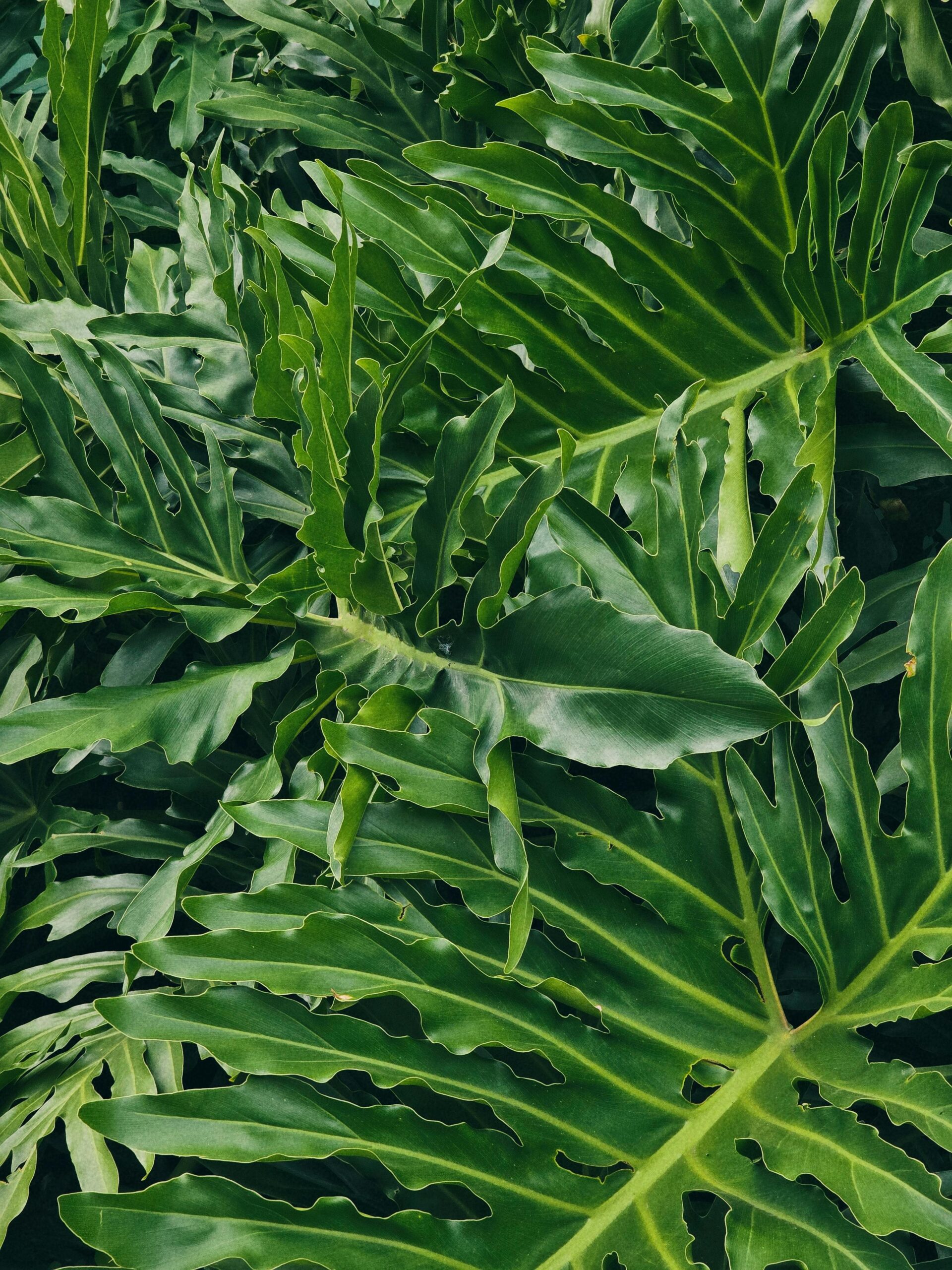
Monstera deliciosa also makes clever use of space—its characteristic holes are a way to survive in the shade and withstand strong winds. They allow the plant to let light and rain pass through without compromising its form. Greenery as a sculpture: the leaf of the Monstera deliciosa.
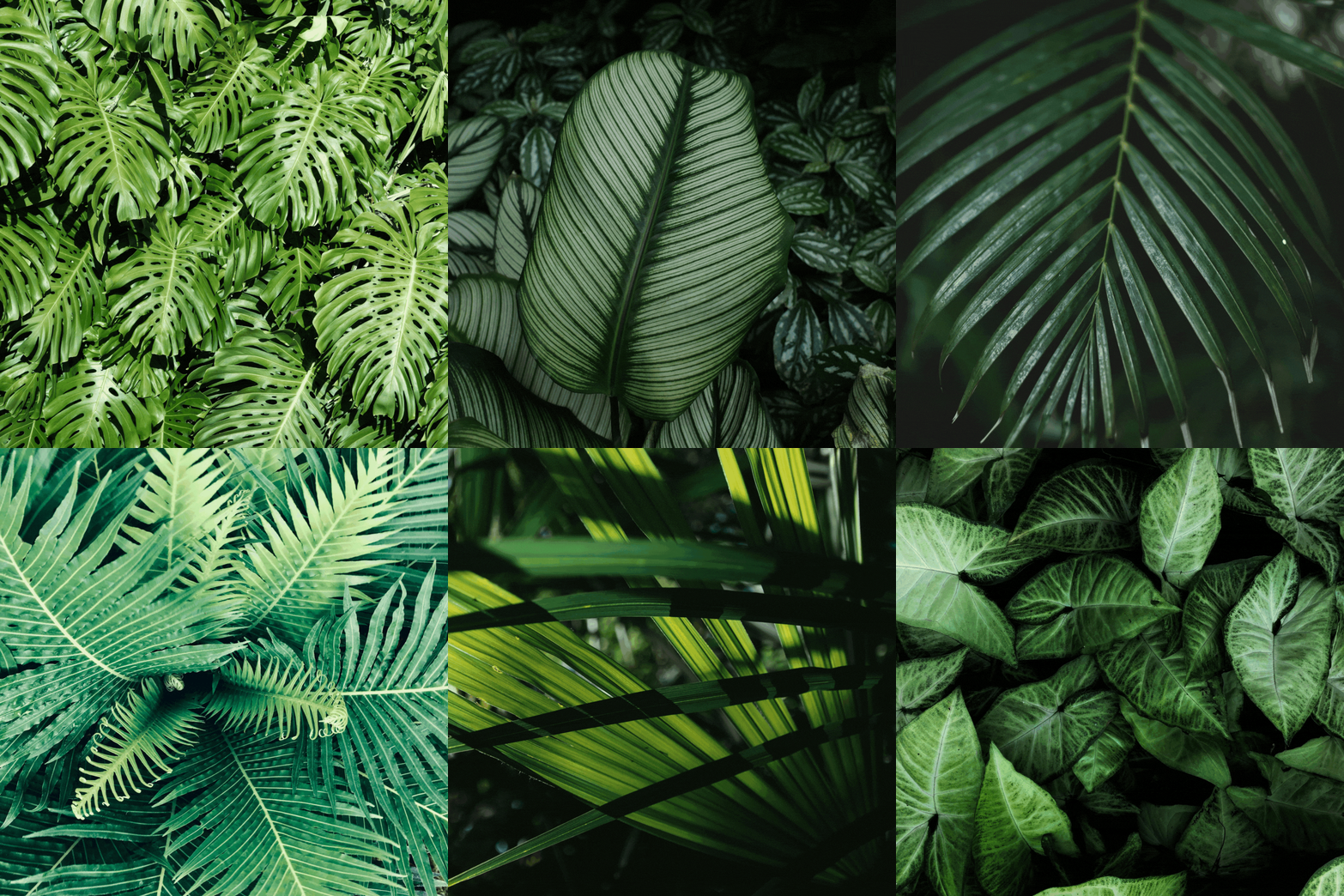
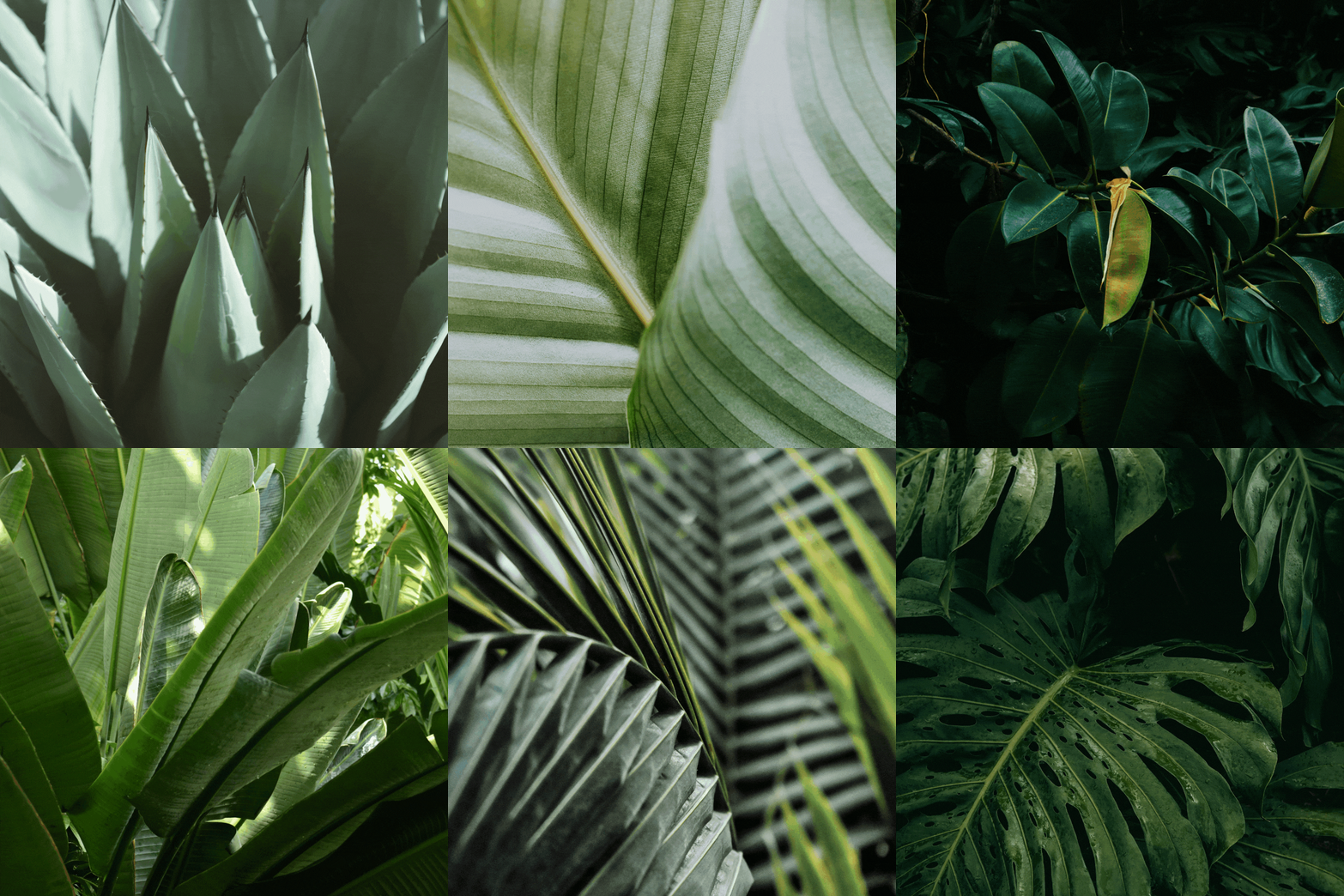
Desert plants, such as aloes and agaves… captivate us with their forms, leading us to perceive greenery as sculpture crafted by nature itself. Conversely, species from coastlines and mountains—like junipers—have developed tough, needle-like leaves, resistant to wind and drought. Every detail is the result of precise adaptation.
How to showcase greenery as a sculpture in an interior?
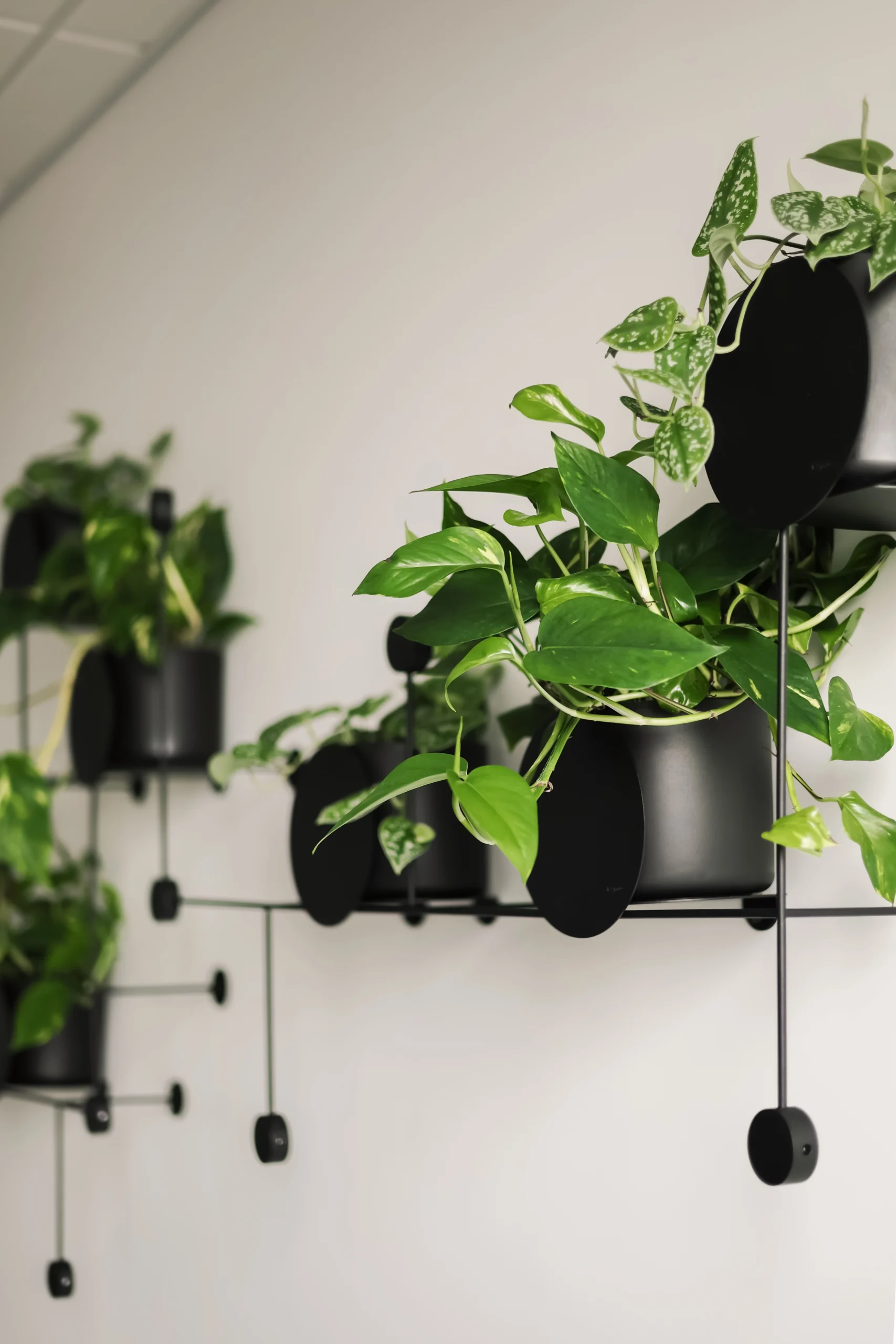
Some plants need no competition in the background. Their leaves are the protagonists—so it’s worth creating the right stage for them. In interiors, they look their best in arrangements that provide space and light, allowing them to take center stage.
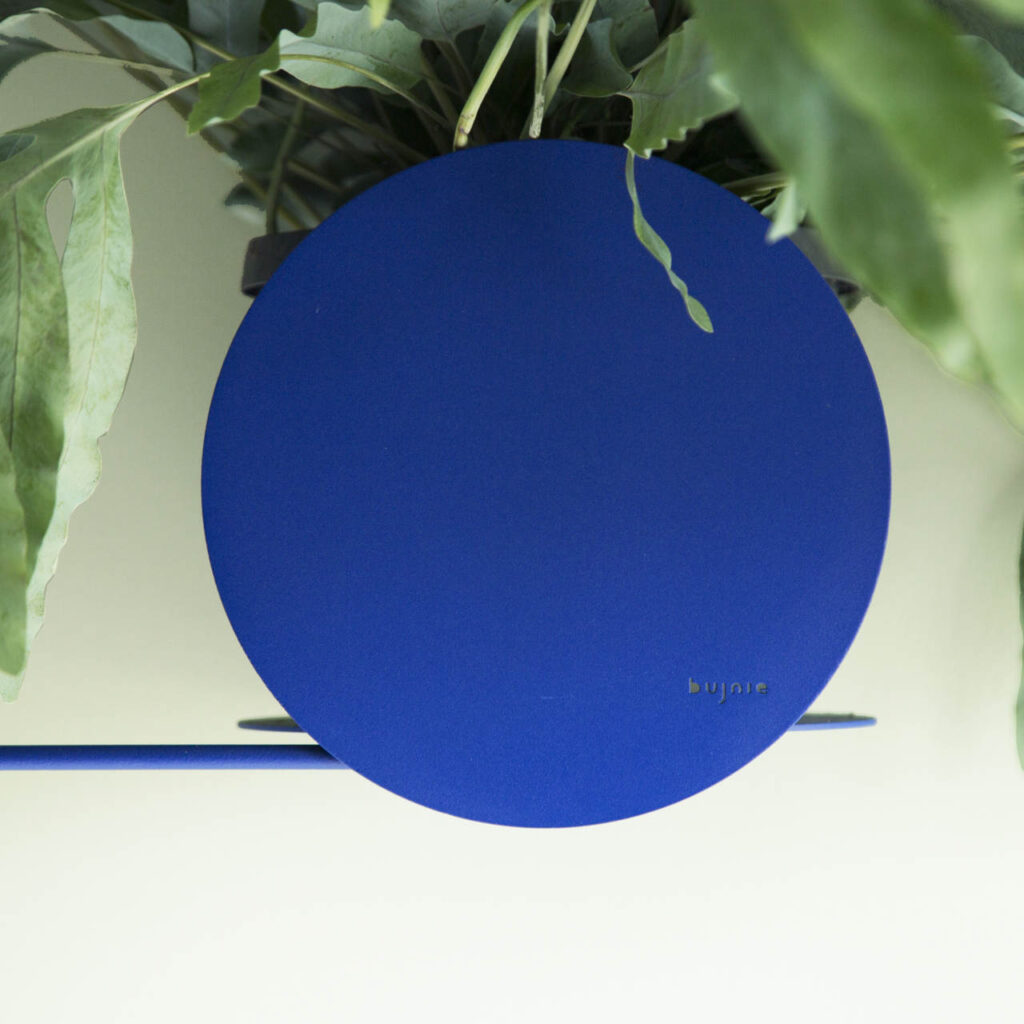
The SU minimalist wall-mounted plant stand by Bujnie

SU – a minimalist wall plant hanger that makes the leaf appear suspended in mid-air. Its delicate structure does not dominate the composition – it is the perfect form for species with distinctive patterns, such as Philodendron bipinnatifidum or Philodendron billietiae.
FLOOS: The Rhythm of Growth

FLOOS – a modular system that allows for rhythmic arrangements: from a single frame to expansive spatial installations. You can start with a single form and expand it as your plants grow. The openwork, graphic structure creates a beautiful contrast with the wild shapes of the leaves – it works perfectly for showcasing a single species as well as more complex greenery compositions that grow along with the space.
Biophilia is not a cost – it is an investment with a triple-digit return. Treating greenery as sculpture is the foundation of modern design, where humans and nature reclaim a measurable connection. As leaders in Biophilic Design, we provide global solutions that transform interiors into living ecosystems – from offices in Berlin to prestigious projects in New York.
The data is clear: nature-based design increases well-being by 15% and boosts creativity by nearly 15%.
At Bujnie, we design frames for nature because we know that greenery as sculpture is not just a trend, but a global Biophilic Design standard that adds value to every project. It is the standard for architects seeking conscious, durable solutions ready for the challenges of the future.
Green is more than just a color. It is a story of adaptation, rhythm, strategy, and beauty with a purpose.
And when we give it the space to resonate, something more than mere decoration happens within an interior. A relationship emerges.
Visit us again – we will share how to design a green wall and how to professionally treat greenery as sculpture in commercial projects.

Discover more inspiration at www.bujnie.pl